


Watch: real Central Florida roof inspections job
Watch videoFree Roof Inspection in Lakeland, Plant City, and Central Florida
A free roof inspection here takes 45 to 60 minutes. We walk the roof, check the attic and the ceilings, and leave photos with a written note. License CCC1332725. We do not file the insurance claim or adjust it.
People book it for three reasons: an insurance letter about roof age, the morning after a storm, or a house that is about to be sold. The visit is the same length. The file we leave is not. Call (813) 800-1800, or (863) 880-2041 if water is already inside.
When the Letter Says the Roof Is Too Old
Bring the renewal letter. We walk the roof and write remaining useful life, with the date and the address on the same page. Photos cover each slope, the ridge, the valleys, and the pipe boots. If you can let us into the attic, stains and wet insulation go in the same set.
That packet is what you send the carrier. We do not argue the renewal and we do not file a claim. A four-point inspection and a wind mitigation form are separate. If the letter names one of those forms, ask your agent who is allowed to sign it. If the letter only asks whether the roof still has life, this walk is the file.
The 15-year rule is the age fight. The 25% rule is a building-code fight about how much of one section is damaged. We say which one the letter is actually about after we are on the roof.
The Morning After a Storm
Water in the house, a ceiling that is bulging, daylight in the attic, or a limb on the deck is a same-night call. Stay off the wet roof. We tarp or patch the opening first. The written inspection finishes in daylight, when the deck is safe to walk.
A dry ceiling and a few granules in the gutter can wait until morning. Book the walk anyway if a named storm or a hail cell came through. On low-pitch roofs near the Lakeland lakes, water sits in the valleys after the rain stops. Hail bruises the mat and the leak can wait a week.
You leave with photos of the field, the flashing, and any interior stain, plus a written split: fix now, watch, or measure the section for the 25% rule. The inspection is free. The repair price is a separate page, in writing, before anyone tears off.
Before You Sell, or Before You Buy
A sale needs a date on the photos and a plain sentence about condition. We note missing shingles, soft decking, flashing that has lifted, and whether the roof looks like it has years left or a replacement conversation. You hand that to the other agent. We do not write a coverage opinion.
On a house you are buying, the same walk tells you if the stain on the listing photo is a boot or a finished underlayment. Tile often looks fine while the felt under it is done. We lift where the stain points and say whether it is a repair.
Most houses still take 45 to 60 minutes. Steep tile and a full attic take longer. You do not have to be home for the roof. Interior checks go faster if someone can open the door. License CCC1332725. Lakeland office: 2829 Badger Rd #19.
What a Roof Inspection Costs in Florida and Why Ours Is Free
Ours costs nothing. That is the short answer, and it applies to homes and businesses across Lakeland, Plant City, Winter Haven, Wesley Chapel, Auburndale, and Davenport.
Elsewhere in Florida, prices move around a lot. A general roof condition inspection is usually billed as a flat fee by the company doing it. Specialty inspections are separate products with their own pricing: a wind mitigation inspection and a four point inspection are ordered by your insurer or your agent and performed by a licensed inspector, not by your roofer. Drone and infrared add-ons are often quoted on top. That range is why the same question gets ten different answers online.
We do not charge because the inspection is how we earn the work. If your roof is fine, we tell you it's fine and we leave. If it needs repair, you get photos, findings in writing, and a price. Nothing about the inspection changes based on what we find.
- Free for residential and commercial properties
- No trip charge and no fee if you decline the work
- Photo documentation and written findings included
- Same free inspection whether you are buying, filing a claim, or just checking after a storm
What Happens During Your Roof Inspection, Step by Step
Most residential roof inspections take 45 minutes to an hour. Larger homes, steep pitches, tile roofs, and jobs that include a full attic walk run closer to two hours. You do not need to be home for the roof portion, but the interior and attic checks are faster if someone can let us in.
- We walk the perimeter first, looking at the roof line from the ground for sagging, lifted edges, and granules collecting under the downspouts.
- We get on the roof and inspect the surface: shingles, tile, or panels, plus valleys, ridge caps, and every penetration.
- We check flashing and boots at chimneys, vents, and skylights, which is where most leaks actually start.
- We inspect the attic and interior ceilings for stains, rot, daylight through the deck, and ventilation problems.
- We photograph everything we find and walk you through it before we leave.
- You get a written analysis with the current condition of the roof, what needs attention now, and what can wait.
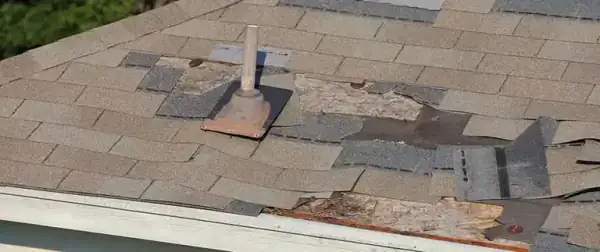
Our Roof Inspection Checklist
We make sure no area of your roof goes unchecked, because the safety of your home is our number one priority. Every inspection covers three fronts: the structure, the interior, and the materials.
Structural inspection: this focuses less on the outward appearance of your roof and more on the structures that hold it together. Our roofers look for uneven roof planes, sagging pitch points, and chimney cracks. We also check your gutter system for worn-out fascia and soffit, and examine your attic for improper venting that could lead to a decreased roof life.
Interior inspection: the inside of your home can alert roofers to small, undetected leaks that may be lurking somewhere on your roof. We check your ceilings, interior walls, and attic for water stains, rot, and other signs of water damage. Streaks of light on your interior walls can also be signs of an opening in your roof.
Material inspection: this is where we attend to the surface of your roof, checking for missing, loose, or curling shingles. Flashing, the thin material used to redirect water away from critical areas like chimneys and skylights, gets a close look too. We make sure your flashing isn't damaged, rusty, or stained.
Roof Inspections for Insurance: the 15 Year Rule and Roof Age in Florida
Roof age is the single biggest reason Florida homeowners get non-renewed, and an inspection is the tool that answers it.
Under Florida law, an insurer cannot refuse to write or renew a homeowners policy on a roof that is less than 15 years old just because of its age. Once the roof passes 15 years, the insurer has to let you get an inspection first. If that inspection shows the roof has at least five years of useful life left, the company cannot turn you down on age alone. This is what people mean by the 15 year roof rule, and it puts a documented inspection between you and a non-renewal letter.
There is a second rule worth knowing. Florida's building code says that when more than 25% of a roof section is repaired or replaced in any 12 month period, that whole section has to be brought up to current code. A 2022 change carved out an exception: roofs built or replaced under the 2007 Florida Building Code or later only need the repaired portion to comply. Which side of that line your roof falls on can decide whether a claim turns into a patch or a full roof replacement, and the inspection is where that gets established.
We photograph condition, document remaining useful life, and put it in writing you can hand to an insurer or an adjuster.
Roof Analysis and Recommendations
Once we've completed the roof inspection, we deliver our findings to you in a detailed roof analysis. The analysis includes the current condition of your roof and recommended repairs to fix the issues we've found and keep your roof in good shape.
We want you to get a full understanding of our roofing inspection, which is why we create an analysis that is transparent and easy to grasp. If your roof needs extensive repairs, we photograph the damage and give you a written file for your carrier. We do not file the insurance claim or adjust it.
You Need a Roof Inspection if You Notice
Certain warning signs mean you shouldn't wait for your next scheduled inspection:
- A sagging roof: if your roof is starting to present a sagging appearance, an inspection is needed as soon as possible. This indicates major structural damage within your foundation or attic.
- Missing shingles: missing shingles expose the underlayment of your roof to water damage. Water can eventually leak into your attic and ceilings and cause even more damage.
- Old age: if your roof is a few decades old, you're definitely in need of a roof inspection. A well-maintained roof can stand the test of time, so if your roof is already aged, it's best to schedule yearly inspections.
- Stains on the ceiling: water stains on your ceiling are a sure sign of a leak in the roof.
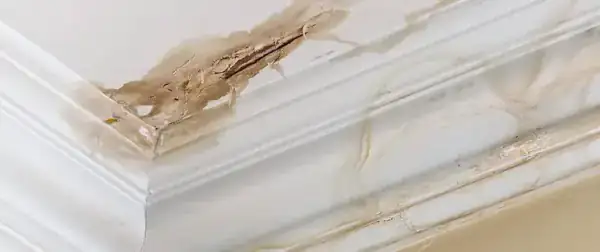
Inspections That Support Your Insurance Claim
A roof inspection before filing a claim provides written documentation of your roof's condition prior to damage, which can help prevent claim denial due to alleged pre-existing issues. True Roofers' inspection reports support your insurance claim from the start.
We perform pre-existing condition inspections, post-storm damage inspections, and routine maintenance inspections for residential and commercial properties across Central Florida, and every inspection comes with written documentation of our findings.
Suspect Your Roof May Have Damage? Schedule a Free Inspection Today
Be proactive against major roof damage that can occur from undetected leaks, worn-out materials, and water damage. Our team will make sure your roof is strong enough to stand the test of time.
Schedule a free roof inspection with one of our expert roofers by calling (813) 800-1800, or reach the 24/7 inspection line at (863) 880-2041 if water is already coming in. We service Lakeland, Plant City, Winter Haven, Wesley Chapel, Auburndale, Davenport, and neighboring cities, and inspections are free for homes and businesses. License CCC1332725, 4.9 stars on Google across 240+ reviews.
Roof Inspections Across Central Florida
Local crews dispatched from Lakeland, Plant City, and Auburndale: